
The best Linux gaming computers of 2026: Laptops and desktops guide

In 2026, Linux gaming has matured into a robust ecosystem that rivals traditional platforms, thanks to advancements in compatibility layers like Proton, native Linux ports for major titles, and hardware optimized for open-source operating systems. With tools like Steam’s Proton enabling seamless play of Windows games, and distributions tailored for performance, gamers can enjoy high-frame-rate experiences in everything from indie adventures to AAA blockbusters without the bloat or privacy concerns of other OSes.
This guide explores the top Linux gaming laptops and desktops available this year, focusing on machines that come preloaded with Linux or are certified for excellent compatibility. We’ll cover hardware features, the included distribution, ideal gamer profiles, and additional insights like upgradeability, battery life, and value comparisons to help you choose. Prices are approximate starting points in USD and may vary with configurations; always check the manufacturer’s site for current deals and customizations.
Laptops: Portable power for on-the-go gaming
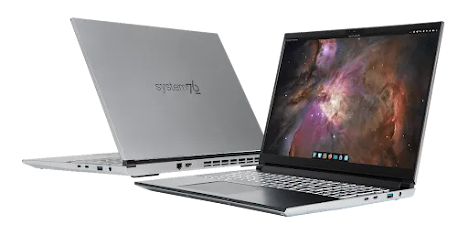
One standout is the System76 Oryx Pro, a beast designed for demanding tasks. It features a high-core AMD or Intel processor (such as Ryzen AI series or Intel Core Ultra HX-class options), paired with an NVIDIA RTX 50-series GPU like the RTX 5070 for ray-traced graphics and high frame rates in 4K resolutions. RAM options go up to 96GB DDR5 for smooth multitasking, while storage reaches 8TB NVMe SSD for vast game libraries. The 16-inch high-refresh-rate display (often 2K at 240Hz) ensures buttery-smooth visuals, and ports include Thunderbolt 4 for external displays or docks.
It comes preinstalled with Pop!_OS, System76’s Ubuntu-based distribution optimized for gaming with built-in NVIDIA drivers, a tiled window manager for productivity, and easy access to Steam. This machine shines for hardcore gamers who play competitive titles like Counter-Strike 2 or Cyberpunk 2077 at ultra settings, as well as content creators editing videos or streaming gameplay.
Its aluminum chassis is durable yet lightweight at around 5 pounds, with a large battery offering 4-6 hours of mixed use—impressive for its power. Upgradeability is a plus, with user-accessible RAM and storage slots, and System76’s open-source firmware allows BIOS tweaks for overclocking.
Priced starting at around $1,899, it’s a premium investment but offers better value than comparable Windows laptops due to no OS licensing fees and lifetime support.
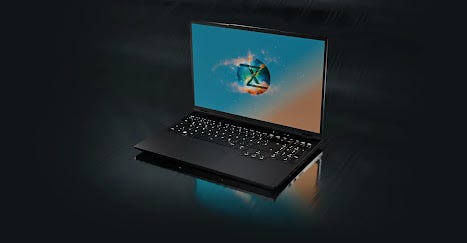
Tuxedo InfinityBook Max 16 Gen10
Another excellent option is the Tuxedo InfinityBook Max 16 Gen10, which packs desktop-level performance into a slim form factor. Powered by the Intel Core Ultra 9 series with many cores for blistering speeds in CPU-intensive games, it includes an NVIDIA RTX 5060 or upgradeable RTX 5070 GPU for DLSS-enhanced gaming and creative work. RAM maxes at 128GB DDR5, ideal for running multiple virtual machines or heavy mods, and storage starts at 1TB PCIe 5.0 SSD with a secondary slot for expansion up to 16TB. The 16-inch display is available in LED (high brightness, wide color gamut) or OLED variants for vibrant colors and deep blacks, perfect for HDR content.
It ships with TUXEDO OS, a customized Ubuntu derivative with kernel optimizations for hardware stability, automatic driver updates, and a clean KDE Plasma desktop for easy customization. This laptop appeals to professional gamers or esports enthusiasts who need portability without sacrificing power, handling titles like Elden Ring or Starfield at 1440p with high settings. Weighing just over 4.4 pounds with a battery lasting up to 8 hours on light loads, it’s great for travel, and its advanced cooling keeps noise low during sessions.
Pros include Thunderbolt 4 support for eGPUs and strong build quality; a con is the higher price starting at $2,199, but it justifies itself with lifetime Linux support and no bloatware. Tuxedo’s modular design allows easy repairs, adding long-term value.
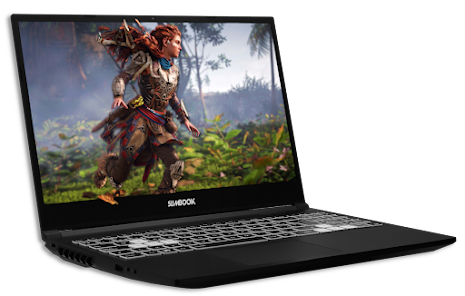
For those seeking a more affordable entry into Linux gaming laptops, the Slimbook Hero provides solid performance without breaking the bank. It boasts an Intel Core i7 or similar high-performance processor with multiple cores and threads for reliable multitasking, complemented by an NVIDIA RTX 4060 GPU with ample GDDR6 VRAM for efficient 1080p or 1440p gaming with ray tracing. RAM is configurable up to 64GB DDR5, and storage supports up to 8TB across multiple NVMe slots with RAID options for speed boosts. The 15.6-inch QHD display at high refresh rate with wide color coverage offers sharp, responsive visuals for fast-paced games.
Preinstalled with your choice of Linux distributions like Ubuntu, Manjaro, or Fedora, it ensures out-of-the-box compatibility, and Slimbook’s tools make driver installation straightforward. This machine is valuable for casual to mid-tier gamers enjoying RPGs like The Witcher 3 or multiplayer hits like Fortnite, as well as students or hobbyists dipping into game development.
At about 4.8 pounds with a battery life of 5-7 hours, it’s portable, and features like RGB keyboard lighting add flair. While not as powerful as pricier models, its starting price around $1,499 makes it accessible, with good thermal management preventing throttling during long plays. Upgrade paths are straightforward, and Slimbook’s community forums provide tips for optimizing Proton settings.
Desktops: Unmatched power and expandability for immersive gaming
Shifting to desktops, these stationary setups offer unmatched power and expandability for immersive Linux gaming.
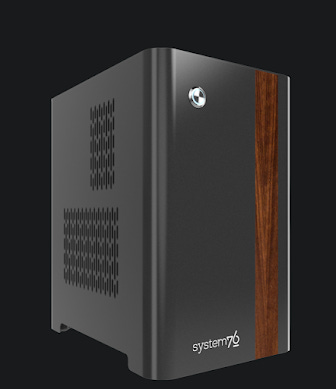
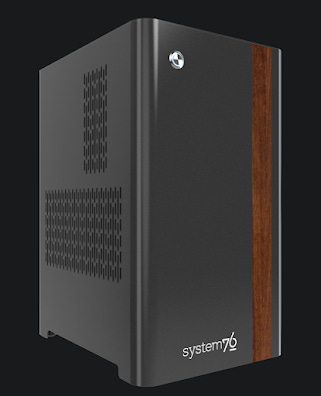
The System76 Thelio Prime stands out as a compact yet potent choice for 2K gaming. It centers on up to a high-core AMD Ryzen 9 series CPU for crushing simulations and multitasking, with an NVIDIA RTX 5060 Ti or similar GPU handling demanding graphics workloads. RAM tops at 96GB DDR5, and storage reaches 22TB for hoarding games and media.
Preloaded with Pop!_OS, it benefits from System76’s ecosystem, including automatic updates and Cosmic DE for a modern, gaming-focused interface. Ideal for strategy gamers or those running VR titles like Half-Life: Alyx, it excels in quiet operation thanks to custom cooling and a small form factor (about 12x8x11 inches) that fits on desks.
Starting at $1,499, it’s cost-effective with swappable accent panels for personalization and easy internal access for upgrades like adding more drives. Its wood-and-metal aesthetic adds premium feel, and energy efficiency keeps power bills low.
For ultimate 4K gaming dominance, the System76 Thelio Mira is a top-tier desktop that doesn’t compromise. Featuring a powerful AMD Ryzen 9 series CPU but with options for NVIDIA RTX 5090 GPU, it pushes boundaries in ray-traced epics and machine learning-enhanced mods. RAM scales to 192GB DDR5 for extreme workloads, and storage hits 28TB across multiple bays.
Like its sibling, it runs Pop!_OS for seamless integration with Steam and Lutris, making it simple to run non-native games. This rig suits enthusiast gamers tackling high-res mods in Skyrim or competitive play in Apex Legends at max settings, as well as developers testing engines like Unreal.
Its larger chassis allows better airflow for sustained performance, and starting at $1,899 (up to higher for elite configs), it offers great scalability—add GPUs or coolers as needed. The open design facilitates cable management, and System76’s warranty covers Linux-specific issues. Explore options at https://system76.com/desktops/thelio-mira.
Choosing the right Linux gaming computer for you
To decide which Linux gaming computer suits you, consider your budget, preferred resolution (1080p for entry-level, 4K for high-end), and mobility needs. Laptops like the Oryx Pro offer flexibility but trade some power for portability, while desktops like the Thelio Mira provide future-proofing through easier upgrades.
All these machines support Proton for broad game compatibility, and distributions like Pop!_OS or TUXEDO OS include tools for monitoring temps and tweaking performance. Factor in community support—System76 and Tuxedo have active forums for troubleshooting.
If you’re new to Linux, start with user-friendly distros and test games via Steam Deck mode. Ultimately, these options deliver freedom from proprietary software, better security, and cost savings over time, making 2026 an exciting year to game on Linux.
How you can support me
Please share this post
Tip with Bitcoin:
bc1q9xh3h66ynpm4xdw5udp6rp4ft7xvrk7q50scrp
All contributions from readers are greatly appreciated. Thank you! 🥰